Prices stated do not include delivery and V.A.T. which will be added at the checkout.
Larger sizes (over 90cm) for collection or local delivery only
Larger sizes (over 90cm) for collection or local delivery only
Price each per |
1 Tree |
10 Trees |
25 Trees |
100 Trees |
1000 Trees |
20-40cm |
£1.75 |
£1.35 |
£0.65 |
£0.45 |
£0.40 |
40-60cm |
£1.95 |
£1.50 |
£0.75 |
£0.55 |
£0.47 |
90-120cm |
£2.25 |
£1.90 |
£0.90 |
£0.65 |
£0.55 |
120-150cm |
£2.75 |
£2.25 |
£1.25 |
£0.75 |
🌳 |
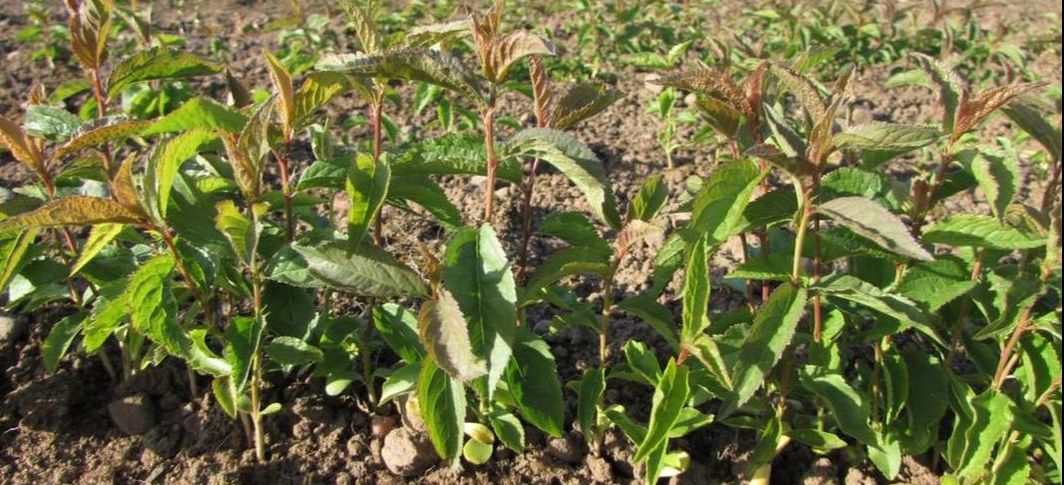
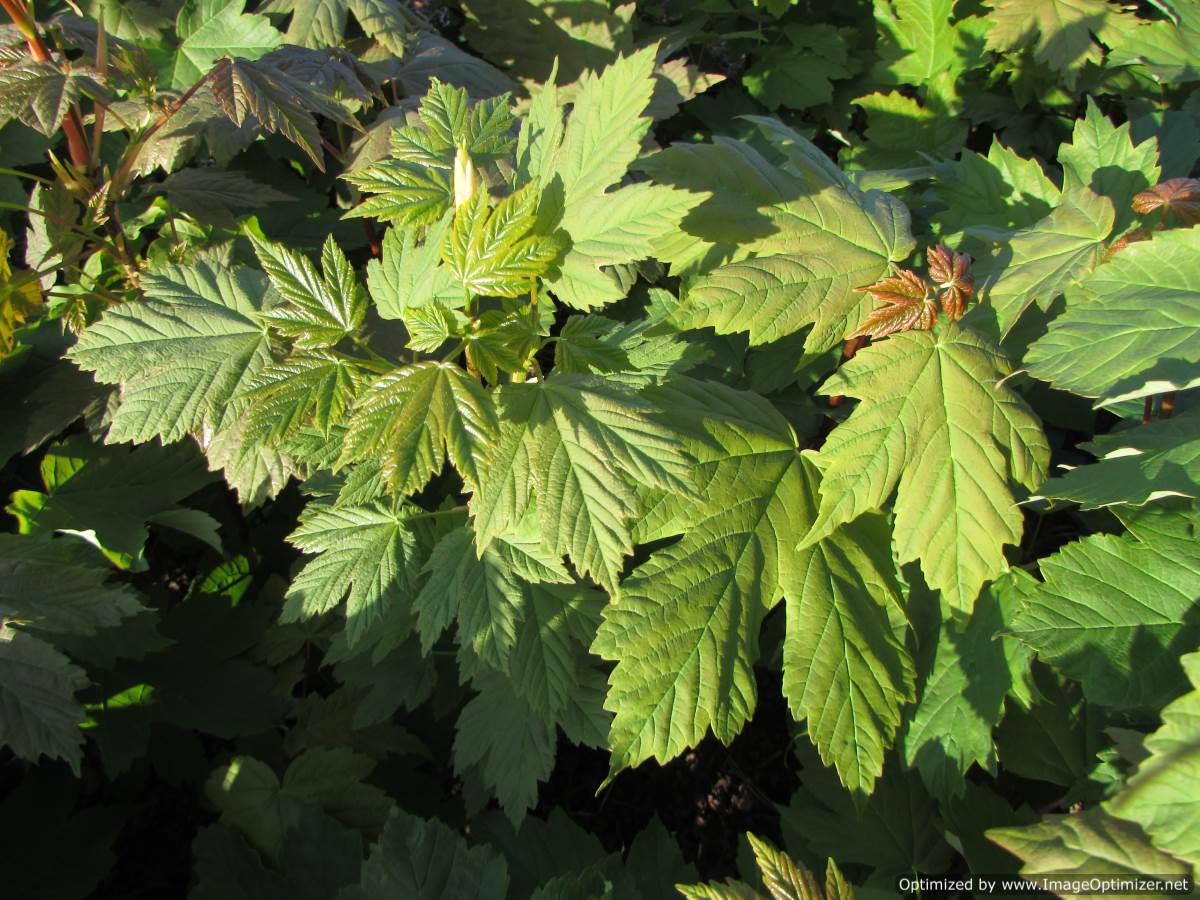
Sycamore is a large, fast-growing deciduous tree. Its natural range covers most of Europe, with the exclusion of the most northern parts, and the extreme easterly limit is at the Caspian Sea.
The timber is widely used for furniture making and joinery, and is excellent for flooring. It is also used for paper production and firewood. Occasionally, the tree produces wavy grained wood, which is reserved for making the best musical instruments and veneer.
Sycamore is a hardy tree, withstanding exposure and industrial pollution and tolerant to frost and salt-laden winds. These abilities make it useful as windbreak and as an ornamental tree in urban and coastal locations. Furthermore, its strong and adventitious roots make the tree excellent for mitigating soil erosion.
The sycamore thrives in calcareous soils, and requires moist free draining conditions -avoid waterlogged wet soils. It establishes easily and, when young, grows faster than most other broad-leaved tree species
The timber is widely used for furniture making and joinery, and is excellent for flooring. It is also used for paper production and firewood. Occasionally, the tree produces wavy grained wood, which is reserved for making the best musical instruments and veneer.
Sycamore is a hardy tree, withstanding exposure and industrial pollution and tolerant to frost and salt-laden winds. These abilities make it useful as windbreak and as an ornamental tree in urban and coastal locations. Furthermore, its strong and adventitious roots make the tree excellent for mitigating soil erosion.
The sycamore thrives in calcareous soils, and requires moist free draining conditions -avoid waterlogged wet soils. It establishes easily and, when young, grows faster than most other broad-leaved tree species